Final Fantasy Resonance
Final Fantasy Resonance is one of those entries where the date on this site is less about a patch and more about the long lead time that a Japanese role-playing game release carries. JRPG releases are announced further ahead than most Western titles, which means a date on this profile has usually been public for a long time before anything ships. The platform set here is the main variable. This title is tracked across Steam, PlayStation, Xbox, and Nintendo, and those versions do not always release together. Physical and digital editions on different platforms can be separated by a meaningful interval, and localized versions can lag their original-language release depending on how the text and dubbing were scoped. Remasters specifically carry their own caveat worth holding onto. A remaster's date is the date the remaster ships, not the date of the original game. The original may be twenty years old and long since out of print, so a "next update" here means something quite different than it would for a live-service title. If you are waiting on a specific platform, the useful move is to check which platform's notes the announced date actually refers to. Announcement posts for multi-platform JRPG releases often list several dates in a table, and the coverage that follows tends to quote only the first one. That first one is usually the console lead, not the PC version. This is also a title where our database holds the date but not deep editorial context, so treat the label on this page as the honest statement of how much we know.
No update scheduled
Tom Clancy's Rainbow Six Siege
Rainbow Six Siege is a live-service tactical shooter, and its content cycle is the clearest example in the shooter genre of a deliberate, published plan. Ubisoft publishes a season roadmap several seasons ahead, naming each season's operator, map, and theme. A player can therefore know roughly what is coming for most of a year, which makes a countdown on this page unusually reliable. What is less certain is balance. Ubisoft ships balance changes on a much looser cadence than seasons, and a balance pass in Siege is not cosmetic. Attacker and defender gadget values, map configurations, and the underlying gun stats are all tuned, and a change to any of them can alter the pick rate of an operator overnight. The most-mandated part of the game is the part most likely to shift under you. There is also a meaningful distinction between ranked and casual balance that catches people out. Ubisoft frequently changes an operator's strength differently in ranked versus casual to keep both populations viable, so a balance note that reads as a buff may not affect your queue at all. The Year content cycle sits on top of the season cycle and is what people usually mean when they say "the next Siege update." Year editions bring a new roster, a rework or two, and a new season format. Those arrive annually with a published date. Between a Year release and the next, the quarterly seasons carry the regular content drops, and the roadmap tells you which is which.
No update scheduled

Call of Duty: Modern Warfare 4
Call of Duty releases on an annual cadence, and the important thing to understand about that cadence is that the marketing cycle is what determines the date, not the development cycle. Each title gets a set release date roughly a year ahead, announced alongside the previous game's final content season, and that date is rarely the date the game is finished. The modern warfare branch of this series specifically has a history of shifting its whole setting and development lineage between entries, which is why a date on this page is worth reading as provisional until the publisher confirms the platform list. The setting is described as the Korean peninsula, and the franchise has moved between studios across the last several entries. Content structure is where a modern Call of Duty date matters most. A launch day release ships a campaign, a multiplayer mode set, and a store, and then the live-service portion continues for a full year in quarterly seasons. Each season brings a map, a weapon pass, and a mode change. Store content lands too, usually four times a year, so a date can mean a campaign drop, a season, or a store rotation, and those are three different things. When you see a date on this profile, the useful question is which of those three it refers to. The campaign is a one-time event that plays on a date. The season is a quarterly frame that the campaign is not. The store rotates on its own calendar within the season. The publisher's own roadmap page distinguishes them, and that page is the source worth reading before you plan an evening around a countdown. Multiplatform support here also means the date usually covers all three console platforms at once, with PC availability dependent on a separate certification and performance pass.
No update scheduled

One Piece: Grand Gourmet
One Piece: Grand Gourmet is a restaurant management simulation set in the One Piece world, and its platform data is the most unusual thing about it. It is tracked on Steam, Nintendo, the App Store, and Google Play, which means it launched or will launch on mobile alongside the console and PC versions. A mobile release changes the update model completely. On mobile, updates ship whenever the platform allows and whenever the live-service games are worth a return visit, and the calendar is driven by engagement rather than by a production schedule. A date on the data here may be a mobile version update that has nothing to do with the Steam version. The management genre itself is also worth a note for tracking. Management sims in the One Piece licensed space tend to be event-driven: a festival period, a limited-time ingredient, a collaboration. Those events run on their own short cycles inside the game rather than being announced as updates, so most of what happens in this game will not appear anywhere on a release-date tracker. Licensing is the practical constraint that shapes all of it. A One Piece game is developed under licence from the rights holder, and the approval process for that kind of content runs on its own timeline. Release and content decisions are therefore often gated by licensor sign-off rather than by developer readiness, which is why dates in licensed titles move with less warning than in original properties. One thing that is genuinely trackable: if this title has multiple platform entries, checking whether a version exists on your platform is often quicker than waiting for a date to appear. The absence of a platform here usually means the version has not been listed, not that it has been cancelled.
No update scheduled
Lost Ark
Lost Ark is a raid MMO where the entire structure of play is built around a weekly reset. Guilds run a fixed weekly raid cycle, and the value of doing those raids decays as the week goes on, so a "next update" that lands mid-week resets everyone's progress economy at once. That is why the weekly reset matters more than most patches. On top of that, Lost Ark gets scheduled content updates on a cadence roughly monthly, and each one brings a new dungeon, guardian raid, or region. Those are the headline events. Between them, balance patches arrive faster and change class tuning, drop rates, and currency sources. The part worth understanding before you plan around a date: the region structure means new content is gated. A new region's raids usually require you to have completed the previous region's progression first, so the release date of a dungeon is not the date you can meaningfully attempt it. There is usually a buffer of days to weeks between the two. There is also a version of this game's schedule that depends on regional servers, and those do not always move together. If you play on a non-English client you may see content arrive on a different day than the global schedule suggests, which is worth confirming rather than assuming before you take an evening off work.
No update scheduled
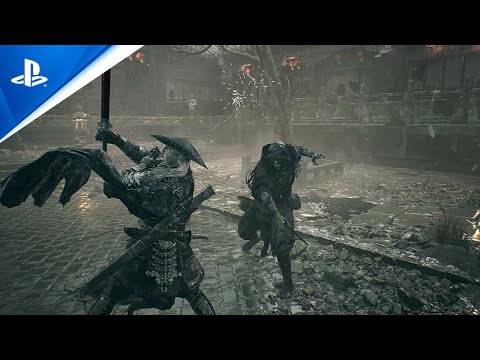
Phantom Blade Zero
Phantom Blade Zero is a third-person action game from S-Game, and its history is a long-running story about platform strategy that has nothing to do with the game itself. It was announced as a next-generation console title, drew significant attention for its animation work, and was widely covered as a console exclusive for years. Console exclusivity announcements are frequently reported as final and frequently are not. The commercial logic runs both ways: exclusivity secures a platform partnership worth a great deal to a studio, and a successful game generates enough demand that a PC port becomes worth funding. This title's platform data now shows Steam, which is the second state. For a tracker, the lesson is that a platform list is a snapshot of a decision that can change. A title listed as console-only can appear on PC months later with a fresh date, and the PC date is a different kind of date because it comes with performance work on unknown-specification hardware. The game itself is a fast, parry-focused action title rather than a slow one, which places it closer to character-action games than to the deliberate, stamina-managed combat of the wider soulslike family. That distinction matters because it changes what a patch is likely to adjust: frame timing and animation responsiveness rather than poise damage values. Post-launch content expectations for this genre are modest. Animation-heavy action games of this kind are usually complete at release and see bug fixes and balance work rather than content. So a date here marks a launch, and the useful follow-up information is patch frequency and whether the port differs from the console build.
No update scheduled

Godzilla: Destroy All Monsters Melee Remastered
The Godzilla arena fighters are a specific and well-regarded corner of the genre, and Destroy All Monsters Melee Remastered is a re-release of the entry most fans consider the best of them. Understanding the remaster's date means understanding which original game it is remastering. The original Destroy All Monsters is a GameCube and PS2 era arena fighter where you pick a monster from a roster of around twenty and fight through single-player and four-player modes. The remaster's job is preservation and modern input handling rather than design change, so a date for the remaster is a date for the re-release, not for the original game, which is now more than two decades old. Remaster releases are a category where countdown sites get this wrong constantly. A twenty-year-old GameCube game gets a 2026 release date and a tracker renders a countdown as though something new is happening. What is happening is that a preservation effort is being published, and the value is in what changed technically, not in new content. On platforms, this title is tracked across Steam, PlayStation, Xbox, and Nintendo, which is a wide launch for a remaster of this size. Multiplatform remasters of licensed games are common, but the platform dates are not always simultaneous, and licensed titles in particular can be held back in some territories by age-rating processes. There is one more licensing consideration worth flagging for anyone tracking this game. Godzilla is owned by Toho, and the games are developed under licence. That arrangement means release decisions can be driven by rights and anniversary windows rather than by development status, which is another reason a date here is less predictable than a typical independent release.
No update scheduled
New World
New World has one of the most documented launch stories in the genre, and that history is the single most useful thing to know when reading a date on this page. The 2021 launch was badly broken, Amazon refunded players and effectively restarted development, and the game was relaunched in 2024 under the subtitle Aeternum with a rebuilt opening experience. That relaunch means dates on this title are second-lifecycle dates. A 2026 date is not a continuation of a 2021 schedule, it is part of a live-service structure that was designed after the relaunch. The cadence you should expect is seasonal rather than yearly, with each season bringing content and a reset of some kind. New World is a survival MMO with a gear system that matters more than most. Item score tiers the progression, and a patch that shifts a tier changes what is worth farming across the entire player base. Balance patches here therefore carry more weight than in games where power is cosmetic or skill-based, and the patch notes are genuinely worth reading rather than skimming. The platform picture is narrower than most MMOs. This is tracked on Steam, and there is no console version in the data, which means a date here is unambiguously the PC date. That is a genuine convenience compared to the multiplatform games on this site where the platform split is the main complication. One thing to be careful about: this is a game that has already been delayed and reworked once at enormous scale. If you are deciding how much to trust a date, the useful context is whether Amazon has published a season roadmap or is operating month to month. A game with a published roadmap is a different proposition from one where each patch note is the only notice you get.
No update scheduled
Wielders of the Essence
Wielders of the Essence is described in our data as a minimalist incremental survivors-like, which is a specific enough combination to be worth explaining. The Spanish description we hold from the store says short runs give you resources to build with, and that combination of short-session roguelite structure and permanent base building is a specific design lineage. Survivors-likes are built around a run structure: you start weak, enemies escalate on a timer, and your run ends when you die. What varies enormously between them is what happens between runs. Most keep nothing. This one keeps building resources, which puts it closer to a roguelite with a meta-progression economy than to a pure arcade mode. That structure has consequences for update tracking that differ from a typical action game. Because progression persists between runs, a balance change affects accumulated player investment rather than a single session. Weakening a build that took a month to assemble produces a different kind of player reaction than adjusting a game with no persistent progression. The platform data shows Steam only, so a date here is unambiguously the PC date and there is no console version in our data to reconcile. On the update rhythm: incremental and survivors-like games ship frequently but with small changes, and the patch notes are where the design conversation happens publicly. Unlike a large studio title, the developer of a game this size reads every balance comment, so the notes are genuinely worth reading rather than skimmed. What matters is not the headline feature but the specific numeric changes, which is unusual among indie titles. We hold a real store description for this entry in Spanish and a placeholder in English, which means our English text here is generated and our Spanish text is the publisher's. We would rather flag that than treat both as equally sourced.
No update scheduled
Path of Exile
Path of Exile is a live-service action RPG that has been in development for over a decade, which makes its update history genuinely unusual. There are three leagues per year, each a fresh start for every character on the economy, and the league start is the single most important date for anyone playing. The league is where the real content is. Each one introduces a new mechanic, a new set of ascendancy skills or a new subclass, and a rule change or two that reshapes how you build. The standard league cycle is a few months: league starts, players race through the campaign and maps, then the league ends and everything resets except your permanent stash and your account. What is worth knowing about a date on this profile is that Path of Exile publishes its league information early and in detail. The roadmap, the reveal stream, and the patch notes are public weeks ahead. There is very little ambiguity about when a league starts. The ambiguity is always in the content, not the calendar. The other half of this game's release rhythm is the expansions. Each Path of Exile expansion is a substantial paid release that shifts the game structurally, and those land roughly once every couple of years. When one arrives it resets the effective meta and sends a large share of the player base back to the campaign. If you are tracking this page to know when to start fresh, the league date is the one you want, and the free-to-play standard mode is the sane place to do it.
No update scheduled
Planet Coaster
Planet Coaster is a theme park tycoon where the fun is entirely in the layout. The simulation underneath is genuinely serious: guests arrive with needs, form groups, get lost, get angry, and eventually leave with a bad review that shows up in your notifications. You cannot ignore them. A park with great throughput and terrible guest flow will bleed you dry. Frontier Developments has made the release history unusually easy to follow. Planet Coaster 2 arrived in 2023 as a full sequel rather than an expansion, and since then the two games have diverged: the original is in maintenance mode getting balance and stability work, while Planet Coaster 2 is where new rides, theming, and the guest management tool land first. That split is the thing to watch on this page. A date attached to this profile is most likely a Planet Coaster 2 update, because that is where the substantive content is going. If you are still running the 2016 original on Xbox or PlayStation, you should expect smaller patches and should not read too much into a countdown attached to a sequel you do not own. Worth knowing before you plan a park around a date: Frontier usually pairs major drops with free theme or ride packs, and those land on the same patch day rather than as a follow-up. If you are waiting on a specific ride, check the patch notes the morning it ships rather than assuming a separate date later in the month.
No update scheduled
No Man's Sky
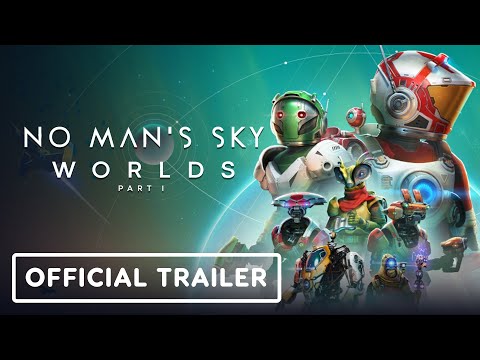
No Man's Sky has become a genuine case study in how a launch disaster turns into a long-tail success. The 2016 release was rough enough that Hello Games stopped promoting it and refunded buyers. What shipped after that is a very different product, added update after update, without ever changing the price. The update pattern now is large named updates roughly every three to four months, and each one is substantial. They have introduced flight, base building, galactic charts, vehicle upgrading, and full settlements with their own economies. There is no small-patch era here; the baseline update is a big one. The reason this matters for a countdown tracker is that No Man's Sky updates are announced and then released, essentially on schedule, every time. Very little slips. The risk is not the date moving, it is the scale of the update making the release-day server population rough. Hello Games has improved at this, but a major update still means login queues. On consoles specifically, the game is a different product from the PC version. The Next Journey updates have reached consoles later than PC, sometimes with feature differences, and console players tend to get a somewhat trimmed version. If you are tracking a date and playing on console, check whether the feature you are waiting on is actually in the console release notes rather than assuming parity with PC.
No update scheduled
Payday 2
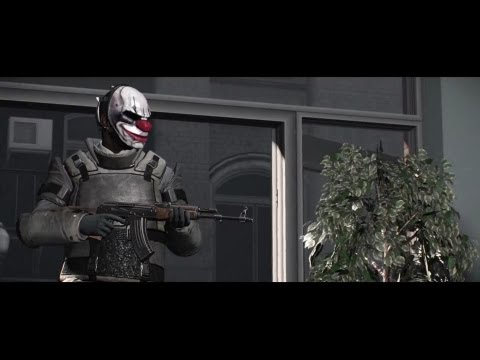
Payday 2 is a heist game whose updates follow the release rhythm of free content rather than paid expansions. Since 2015 the team has shipped a steady stream of free updates, each one adding a new heist, new masks, and a new difficulty tier, with no paid DLC gating the core game at all. The reason this matters for tracking is that the free updates arrive on a fairly predictable cadence, roughly every few months, and each heist addition is meaningful content rather than a reskin. New heists come with their own mechanic, which is why veteran players care about them disproportionately to their word count. There is a second, smaller release track running in parallel: paid DLC in the form of heist bundles and individual heists, released more frequently and much smaller in scope. If you are tracking this page, the free updates are the ones worth waiting for; the DLC heists are available whenever you want to buy them. Difficulty is the other thing to understand about this game. Each heist has multiple difficulty levels, and the top difficulty changes the map layout and adds new mechanics rather than just increasing enemy numbers. This means the "next update" that matters to a veteran player is often a new heist that can be attempted at the hardest level, which is a much narrower thing than the update itself. If you play on consoles rather than PC, expect the free updates to arrive later than on PC. The gap is usually measured in weeks, and it is worth confirming a specific update has landed on your platform before assuming the PC date applies to you.
No update scheduled
Barbie Rewind
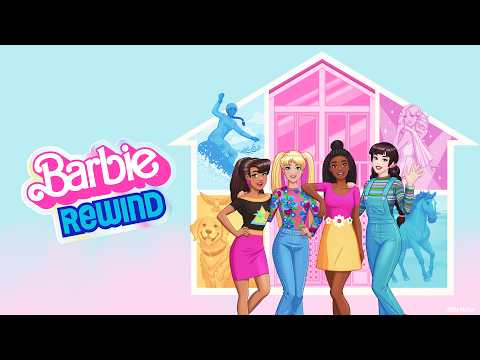
Barbie Rewind is a licensed title where the interesting tracking question is not the patch history but the release rollout. Licensed games on multiple platforms at once frequently ship on a staggered schedule, with each platform's version arriving days or weeks apart, and a single site-level date can hide that entirely. That matters here because this title launched across PC, PlayStation, Xbox, and Nintendo platforms, which is a wide surface for a licensed release. Console certification and age-rating processes differ by region, and regional release waves can add further delay. A date announced as the global launch date is usually the first wave, not the last. The second thing worth understanding about this genre is how little post-launch patching happens. Family and licensed-audience titles receive far fewer updates than the core-games equivalent, and when they do receive them they are usually compatibility fixes tied to a console firmware version rather than content. So a countdown here is unlikely to be followed by meaningful new content. What that means practically: if you are tracking this profile to know when you can play, the platform list and the specific console generation matter more than the headline date. And if you are tracking it for content updates, there probably are not any coming. We would rather be plain about that than imply a depth of coverage we do not have. Our methodology page explains how we label a date and what each label does and does not promise.
No update scheduled
Grand Theft Auto 6
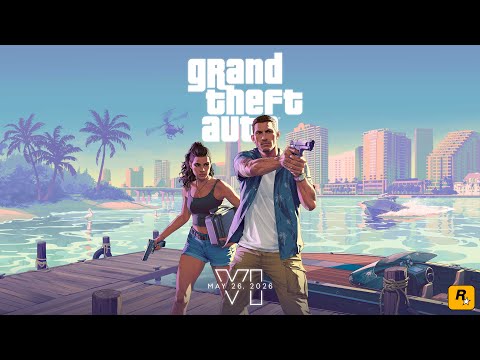
Grand Theft Auto VI is the single most anticipated release in the industry, and its development history has made the phrase "release date" considerably less straightforward than it sounds. The date has been announced more than once and moved more than once, which means any countdown on this page should be treated as provisional no matter how confident the announcement was. Rockstar's pattern for release dates is that an announced date is genuinely intended rather than a placeholder, but the scope of a game this size routinely overruns internal timelines. The 2023 announcement, the delay into 2025, and the subsequent revision are the clearest example available of a publisher honouring an intention and still missing it. The platforms matter here. The announced release has been for a limited platform set, and the PC version has historically been a later, separate release rather than a simultaneous one. Console versions on current-generation hardware and PC are not the same date in practice, and this is a real distinction for anyone deciding when to upgrade hardware. Worth knowing about how these dates behave: pre-order and trailer marketing typically begins well before the date, and the launch itself is usually preceded by a release date announcement that is treated as firm by media coverage. That makes the surrounding coverage look more certain than the underlying development status warrants, which is exactly how a delay gets reported as a surprise.
No update scheduled